Poškozená plomba: co dělat, když se plomba poškodí a jak se předtím chránit
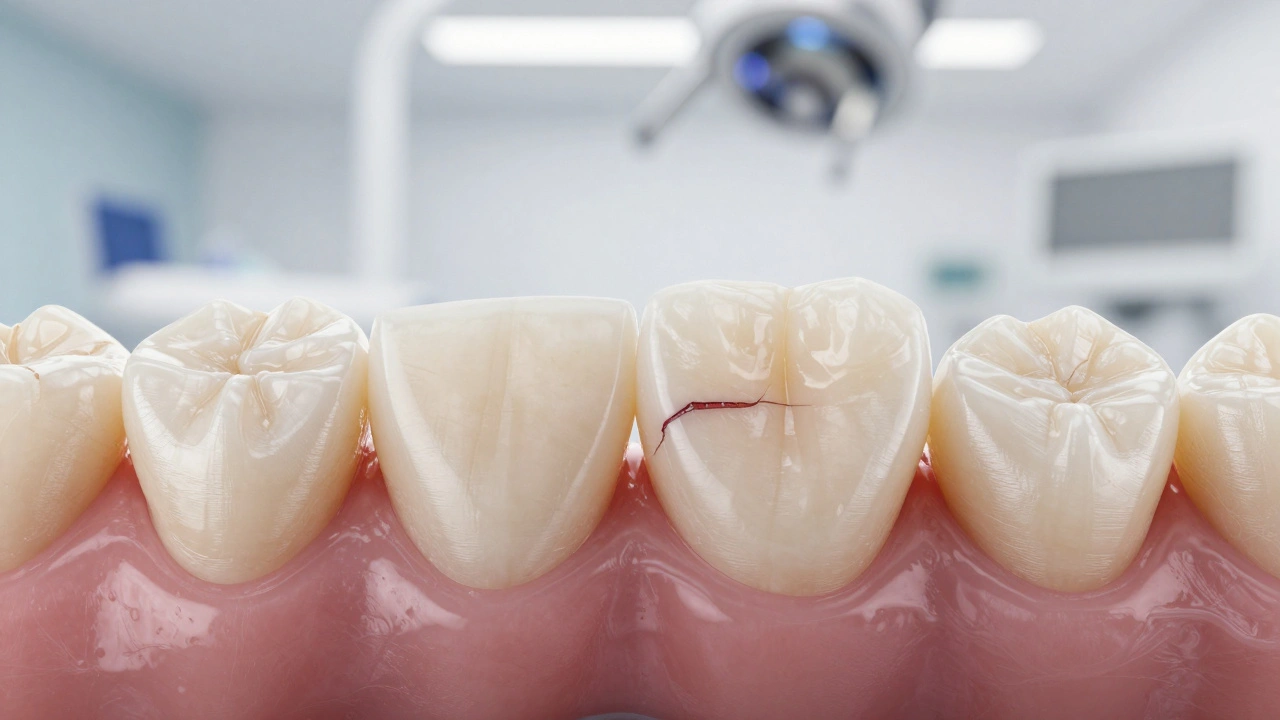
When you feel a sudden sharp pain while biting into an apple, or notice a tiny hole where your filling used to be, you’re likely dealing with a poškozená plomba, zubní výplň, která přestala plnit svou funkci a může vést k hlubokému poškození zubu. Also known as poškozená výplň, it’s not just an aesthetic issue—it’s a warning sign your tooth is under attack. Many people ignore it, thinking, "It’s just a small chip," but even a tiny crack lets bacteria in, and that’s where real trouble starts.
A zubní plomba, trvalá náplň z kompozitu nebo amalgámu, která uzavírá kaz a chrání zubní tkáň isn’t meant to last forever. Over time, chewing pressure, temperature changes, or grinding your teeth can weaken it. You might not even notice the damage until you feel a gap, get food stuck, or experience sudden sensitivity to hot or cold. If you’ve had a filling for more than five years, it’s already in the danger zone. And if you’ve been ignoring minor discomfort, you’re playing Russian roulette with your nerve.
What’s worse? A damaged filling often hides zubní kámen, tvrdý nános bakterií a minerálů, který se hromadí na hraně plomby a způsobuje zánět dásní. This buildup doesn’t show up on X-rays until it’s too late. And if you’re one of those who skip regular cleanings, you’re basically giving bacteria a free pass to eat through your tooth from the inside. Even if your filling looks fine, the space between it and the tooth is a breeding ground—and you can’t clean it properly with a brush.
Don’t wait for the pain to get unbearable. A cracked or leaking filling doesn’t heal itself. The longer you wait, the more expensive the fix becomes. What started as a simple replacement could turn into a root canal, a crown, or even an extraction. And if you’ve got multiple fillings, the risk multiplies. Studies show that over 60% of adults over 35 have at least one failing filling they didn’t realize was failing.
So what can you do right now? Check your fillings with your tongue—do they feel rough or uneven? Look in the mirror after brushing—any dark spots around the edges? And if you feel anything odd when you bite down, don’t brush it off. Schedule a quick check-up. Your dentist can spot a microcrack before it becomes a crisis. And if you’re prone to grinding, ask about a night guard. It’s not just for people with severe bruxism—it’s cheap insurance.
Prevention isn’t about expensive pastes or magic toothbrushes. It’s about consistency. Brush twice a day, clean between teeth with floss or interdental brushes, and get professional cleanings every six months. That’s it. No magic. No hype. Just routine. The best way to avoid a broken filling is to catch the warning signs early—and that starts with knowing what to look for.
In the articles below, you’ll find real-life advice on what to do when your filling cracks, how to tell if it’s gone bad, why some fillings fail faster than others, and what modern materials actually last the longest. You’ll also learn how to protect your teeth from the hidden dangers lurking around old fillings—like hidden decay, gum inflammation, and even nerve damage. No fluff. Just what works.